The Shalom Center
reimagines Jewish holidays
as portals for public prophetic action.
We are building a national movement of sacred justice rooted in the Jewish calendar cycle.
Chapter 9 Project


Bay Area Actifest
March 21, 2024
A Tent of Mourning to grieve the tragic violence unfolding in Israel and Gaza this Ta’anit Esther / Fast of Esther.

READ:
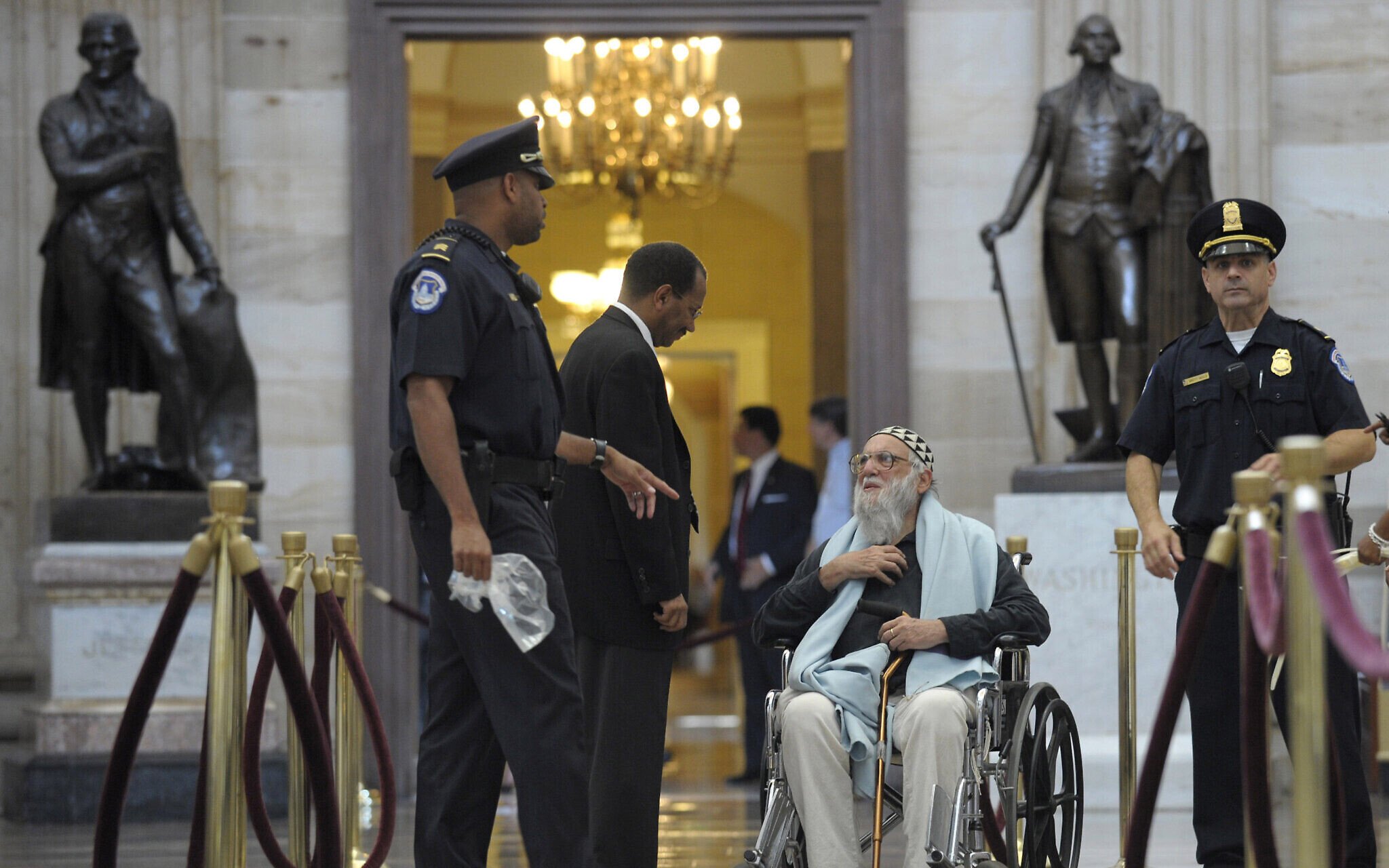
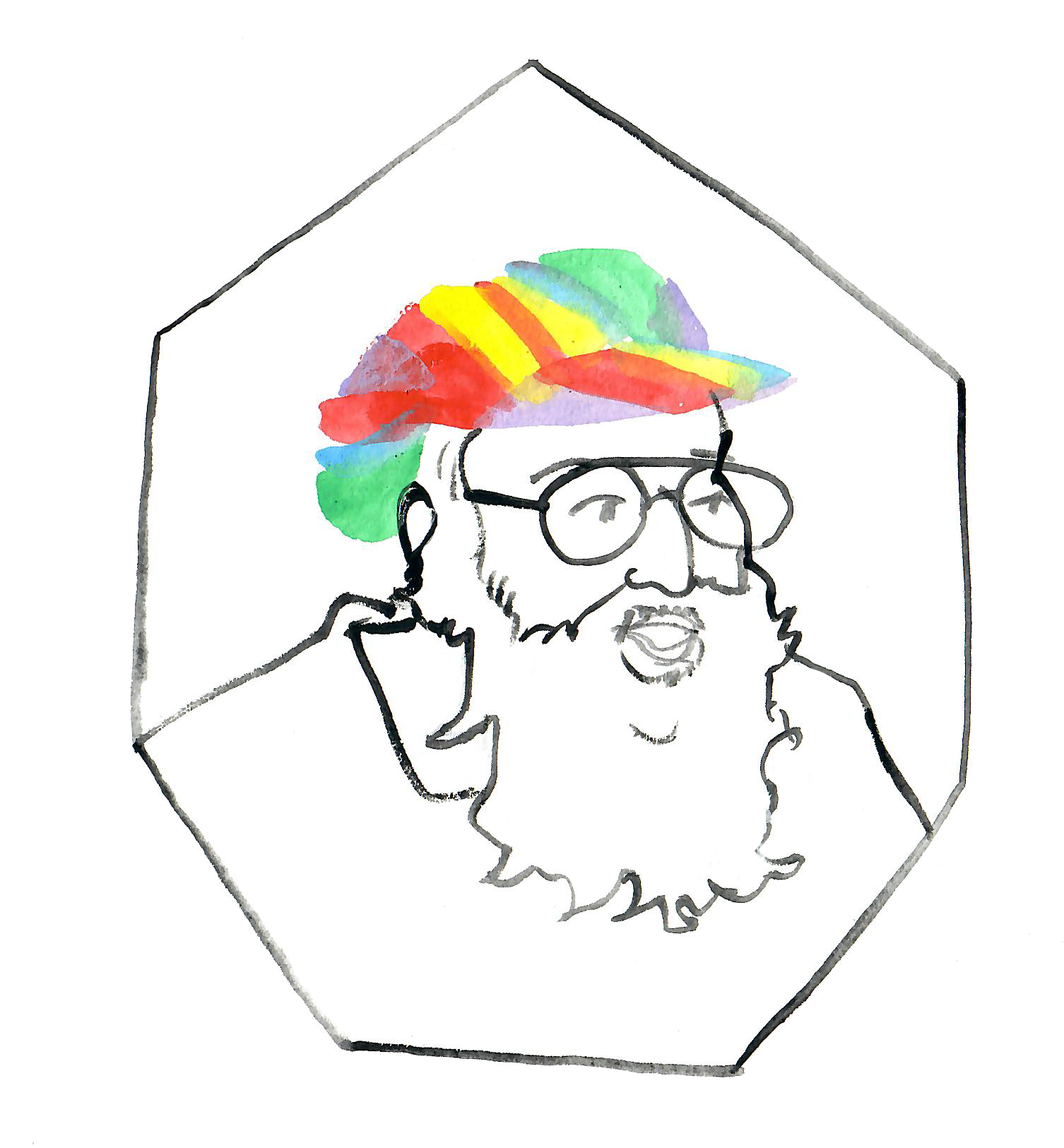
The Bush Is Still Burning: An Interview with Arthur Waskow Celebrating His Ninetieth Birthday
By Shaul Magid
Sept 12, 2023
WATCH:
Planting Seed Crystals for a New Jewish Era
The Shalom Center at 40

READ:
An Invitation to Shapeshift: A Talmudo-Poetic Conversation on Post-Activism with Báyò Akómoláfé
by Nate DeGroot
Oct 2, 2023

LISTEN:
R’ Nate DeGroot on Judaism Unbound Podcast
Feb 16, 2024
Prophetic (adj.)
prə-ˈfe-tik
The active reframing of Jewish wisdom to transport people into a new and compelling vision for timely moral action and a spiritual conviction of the Interbreathing of all life.
Made for this moment.
The world stands where the ancient Israelites stood at the climax of Exodus: Ahead, a roiling Reed Sea and an Unknown Wilderness. Behind, the hoofbeats of Pharaoh’s Army. From climate catastrophe to white supremacy, economic exploitation to patriarchy, we face an intertwined and existential spiritual “super-crisis.” Through prophetic justice campaigns and thought-leadership, The Shalom Center mobilizes and inspires American Jews to take bold steps into a new world of love and justice.

Let’s grow a new world together.
Check out our upcoming opportunities to uplift, strengthen, and renew Judaism’s prophetic tradition.

Ready to help us build?
We’re asking you to help financially support this next chapter of The Shalom Center.
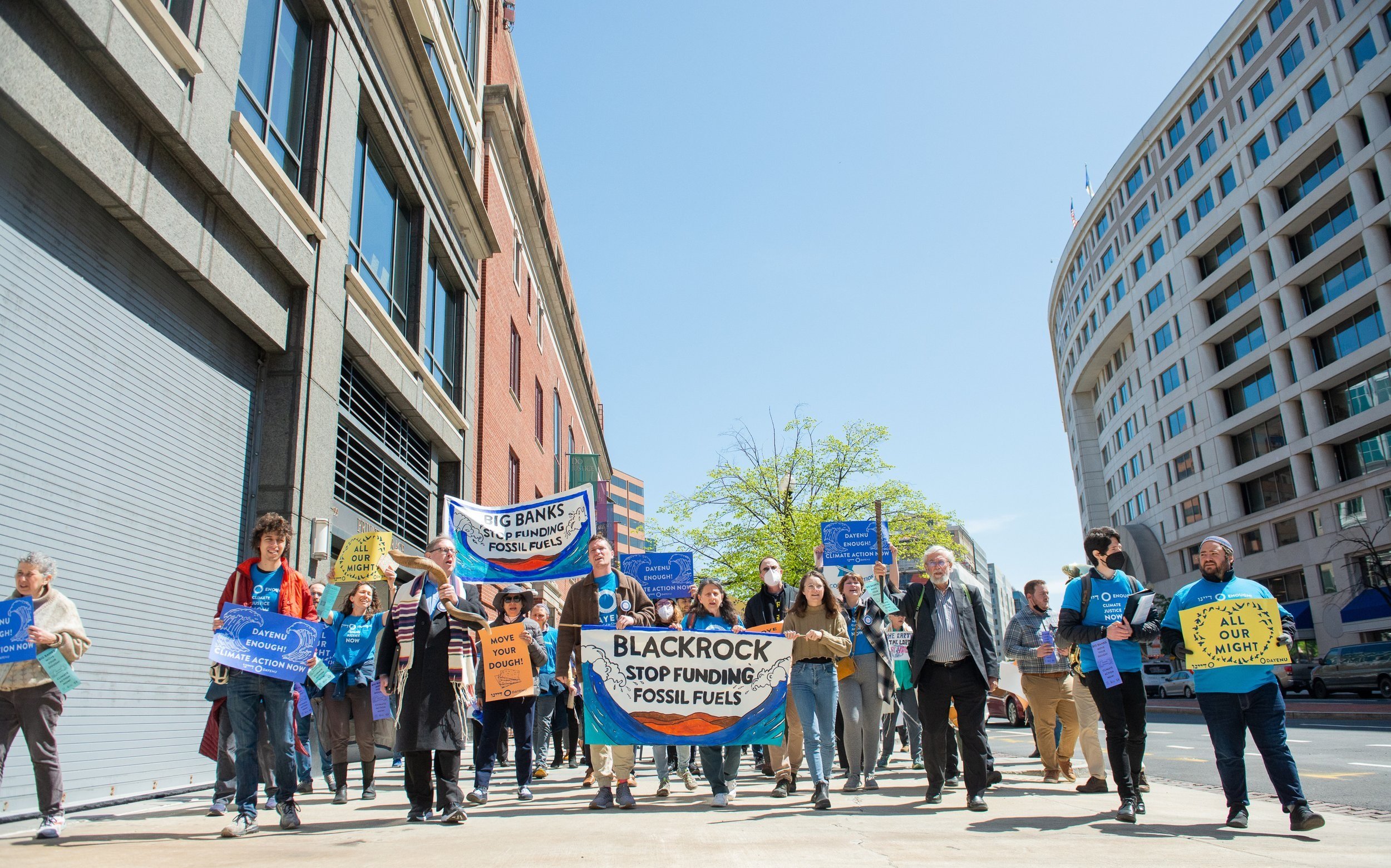
“Rabbinic Judaism claims that prophecy ended some 2,000 years ago. We reject that notion and believe that each of us has the capacity to act prophetically.” -TSC 2.0
Photo credit: Bora Chung, Survival Media Agency
It’s all about relationship. Let’s keep in touch.
Sign up to receive our newsletter in your inbox, filled with prophetic Jewish wisdom, thought-leadership, and updates on public actions and program.